
CPS Blog
CPS Blog
Practical know-how from the calibration shop — gas detection, calibration gas, services, and everything we do to keep your instruments (and your people) safe.
Gas Detection
How to test, calibrate, and trust your monitors.
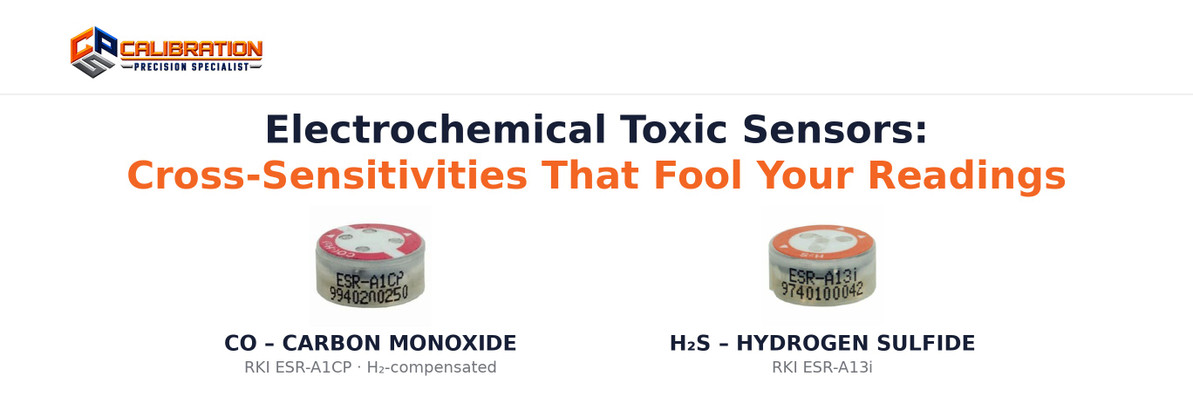
Electrochemical Toxic Sensors: Cross-Sensitivities That Fool Your Readings
Your CO alarm goes off and there's no CO anywhere. Why electrochemical sensors respond to gases they weren't built to detect — and how to manage it.
Read Article →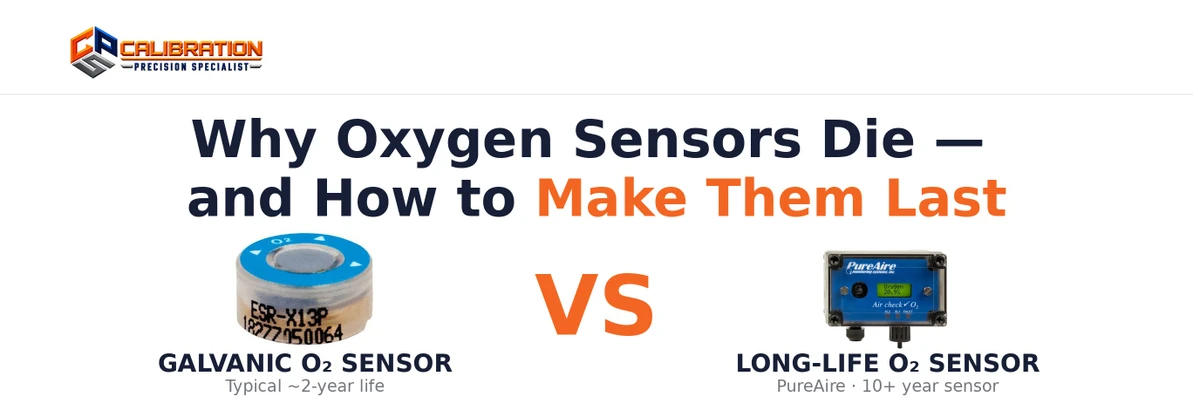
Why Oxygen Sensors Die — and How to Make Them Last
The O2 channel is the only one with a built-in expiration date. Why galvanic sensors consume themselves, what runs the clock faster, and the long-life alternative.
Read Article →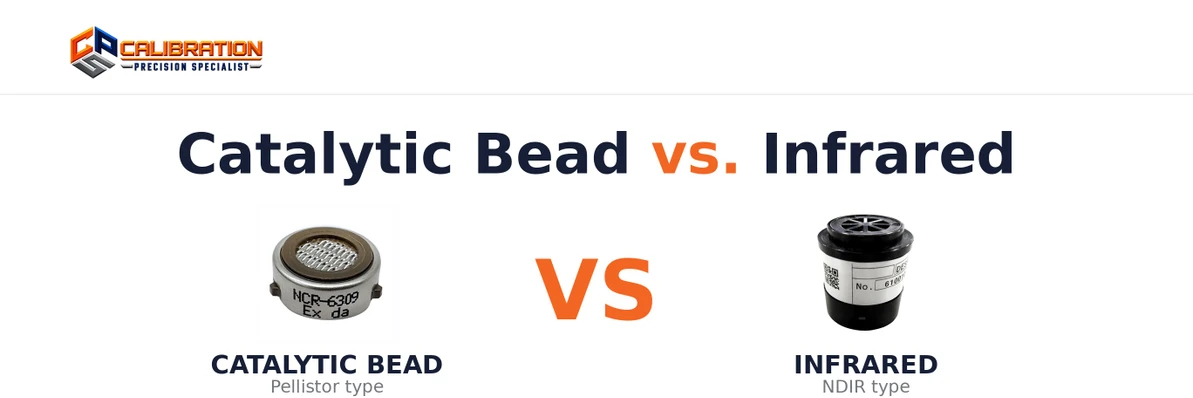
Catalytic Bead vs. Infrared LEL Sensors: When Each Wins
Two technologies read %LEL — and they fail in completely different ways. How catalytic beads and IR sensors work, where each one wins, and the hydrogen gotcha.
Read Article →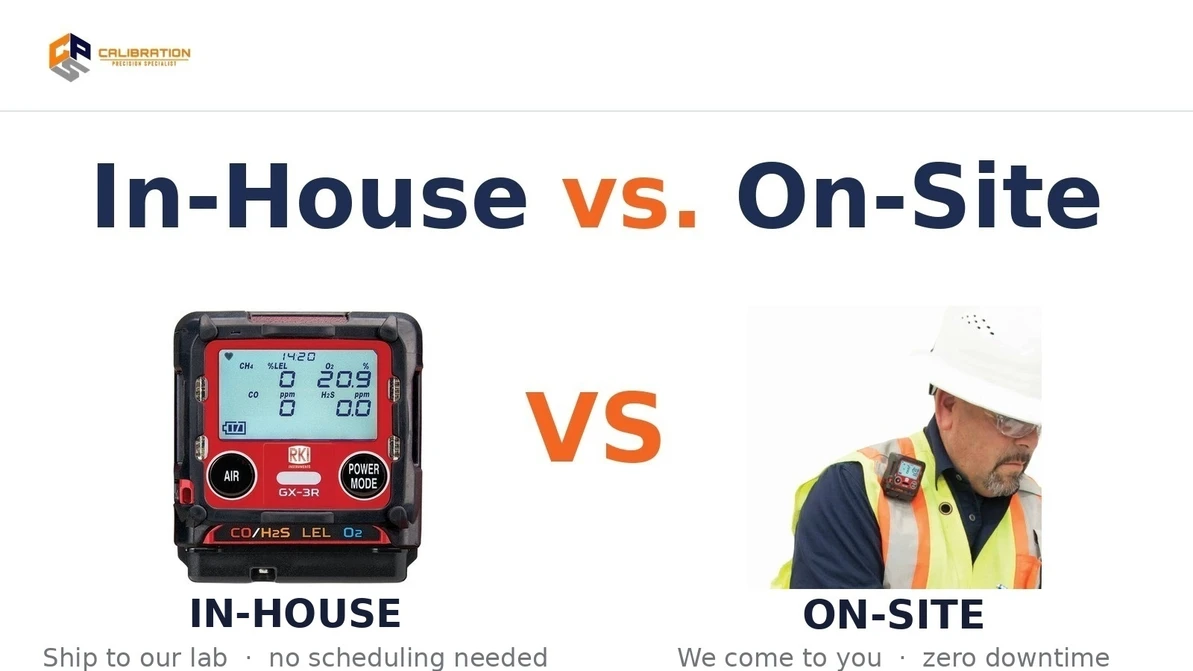
In-House vs. On-Site Calibration: Which One Does Your Facility Need?
Ship your detectors to our lab or have our technician come to you? How in-house and on-site calibration compare on convenience, downtime, and hassle — including the wall-mounted exception.
Read Article →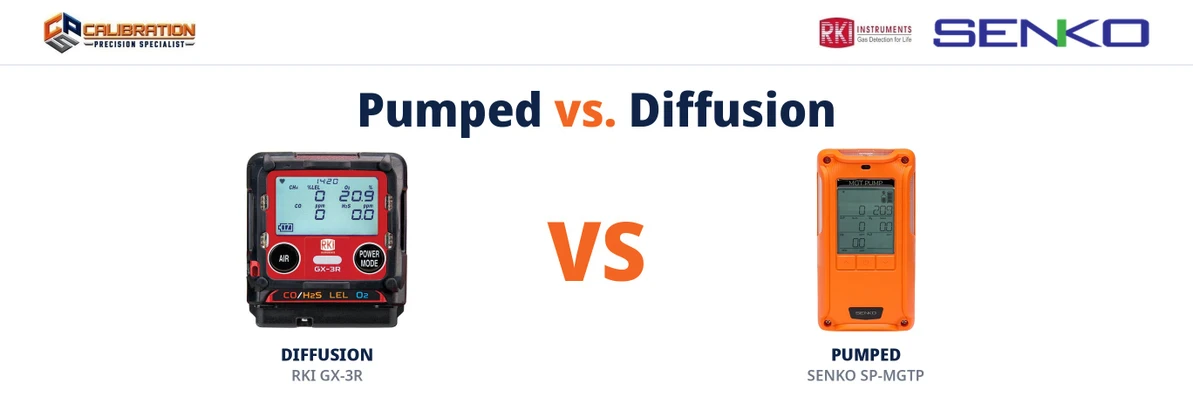
Pumped vs. Diffusion Gas Detectors: Which One Do You Actually Need?
Diffusion asks "what am I breathing?" Pumped asks "what's in there?" How each sampling method works, when OSHA demands a pump, and which monitors do each job.
Read Article →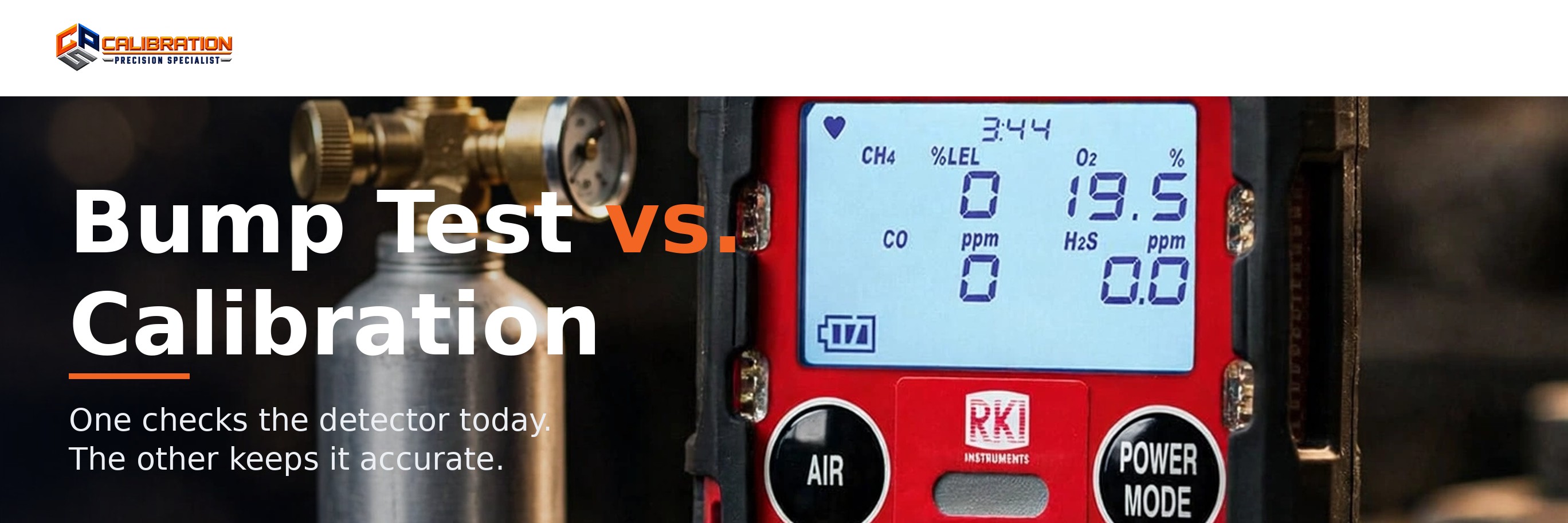
Bump Test vs. Calibration: What's the Difference and When Do You Need Each?
A bump test is a quick pass/fail check. Calibration is a full adjustment. You need both — here's how to get each right, plus the 6 mistakes we see most.
Read Article →
How Often Should Gas Detectors Be Calibrated? OSHA, Manufacturer & Best Practices
OSHA, MSHA, and the manufacturers don't all say the same thing. Here's the straight answer, plus what we recommend from the field.
Read Article →Product Spotlights
A closer look at the equipment we sell and stand behind.
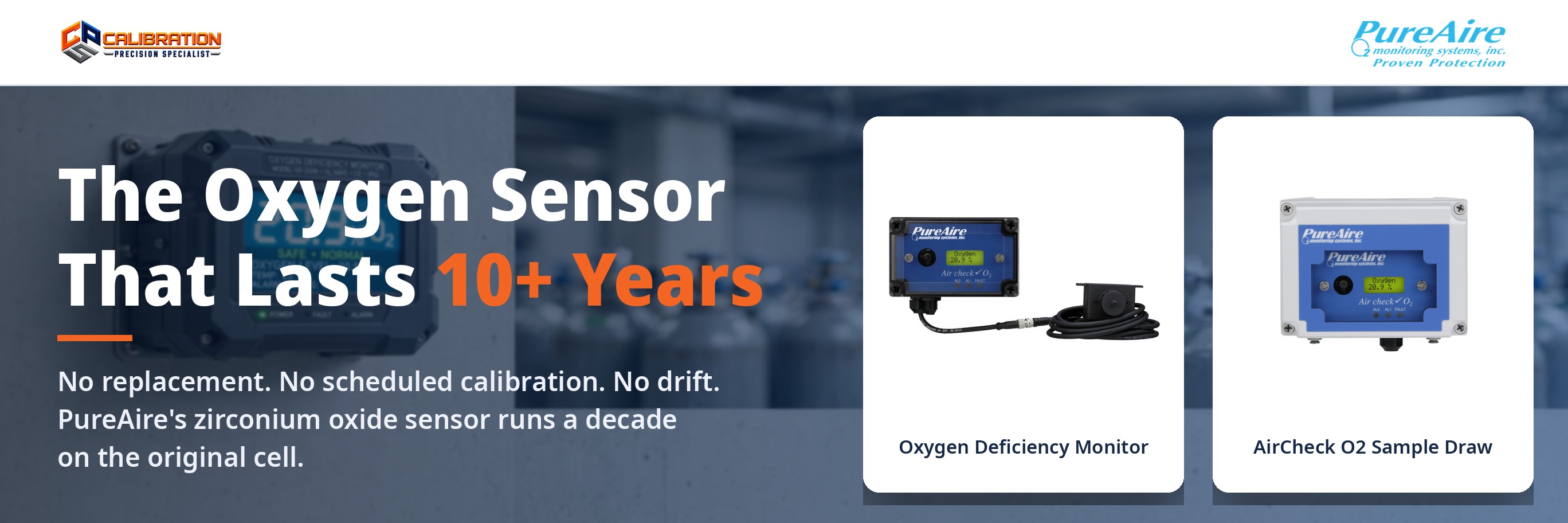
PureAire's Long-Lasting O2 Sensor: Why Their Oxygen Monitor Runs 10+ Years Without a Sensor Swap
No replacement. No scheduled calibration. No drift. How PureAire's zirconium oxide sensor outlasts five to ten generations of ordinary sensors.
Read Article →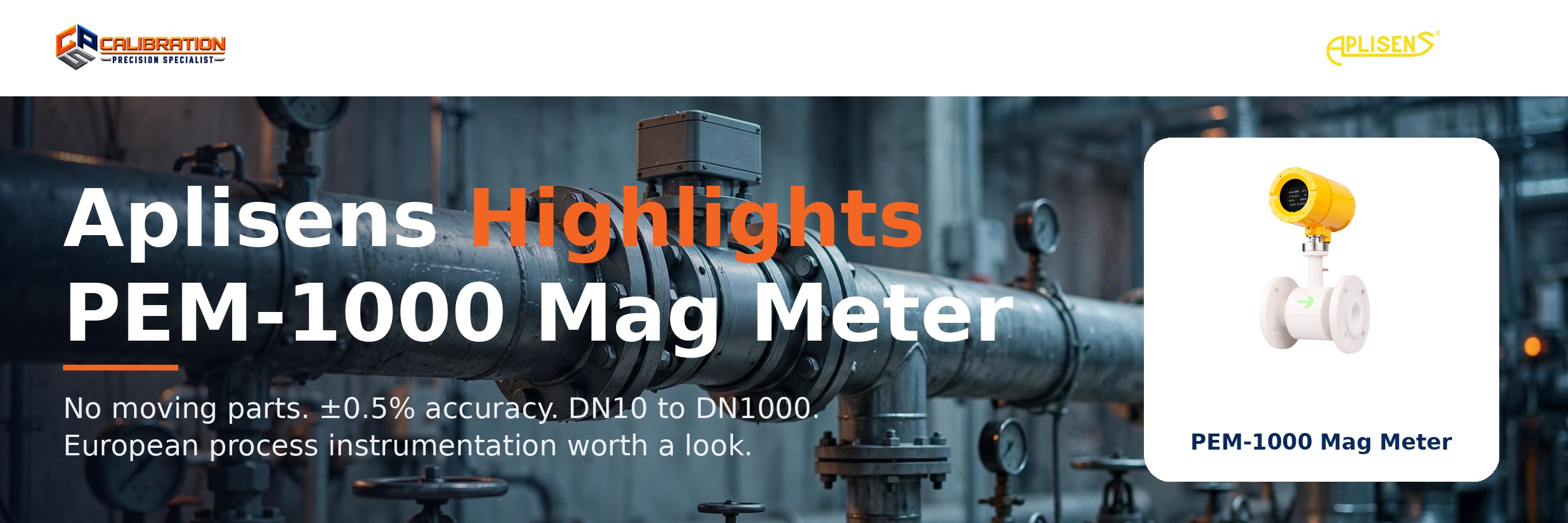
Aplisens Product Highlights: The PEM-1000 Mag Meter and More
±0.5% accuracy, DN10 to DN1000, no moving parts — why the PEM-1000 mag meter is one of the best flow values we've seen, plus the PCE-28 and APR-2000 lines.
Read Article →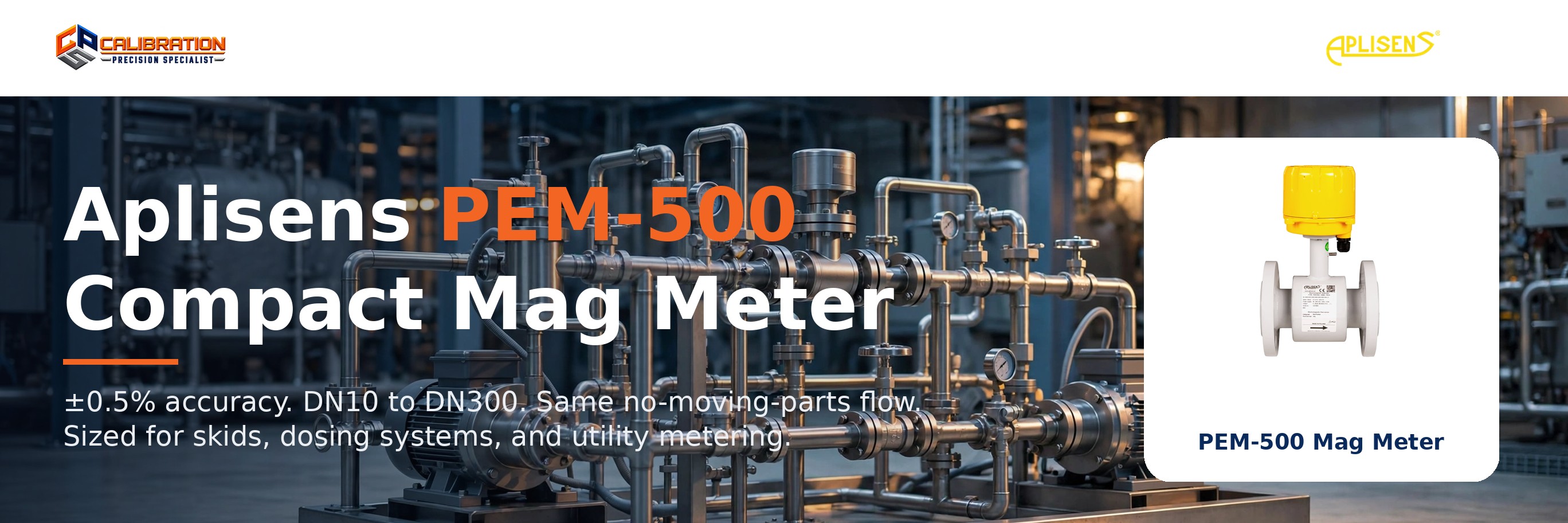
Aplisens PEM-500 Mag Meter: Compact Flow Measurement for Skids and Dosing Lines
Same no-moving-parts mag technology as the PEM-1000, sized for DN10–DN300 — skids, dosing systems, and utility metering.
Read Article →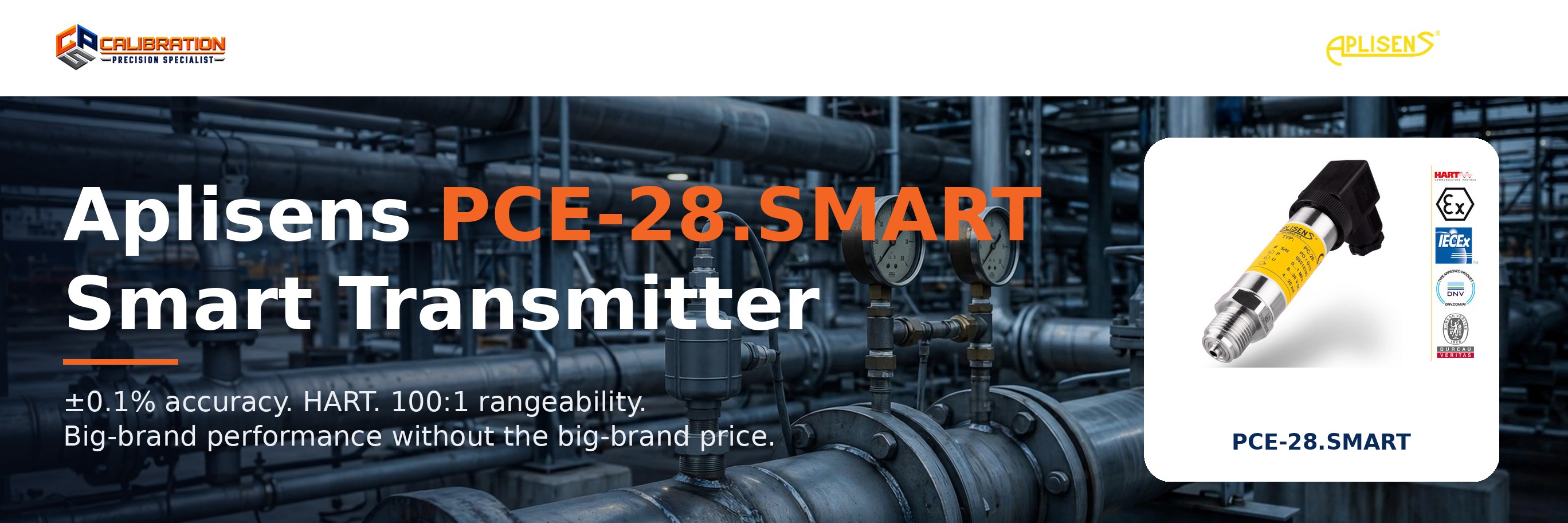
Aplisens PCE-28.SMART: ±0.1% Smart Pressure Transmitter with HART
±0.1% accuracy, HART configuration, and 100:1 rangeability — big-brand pressure performance without the big-brand price.
Read Article →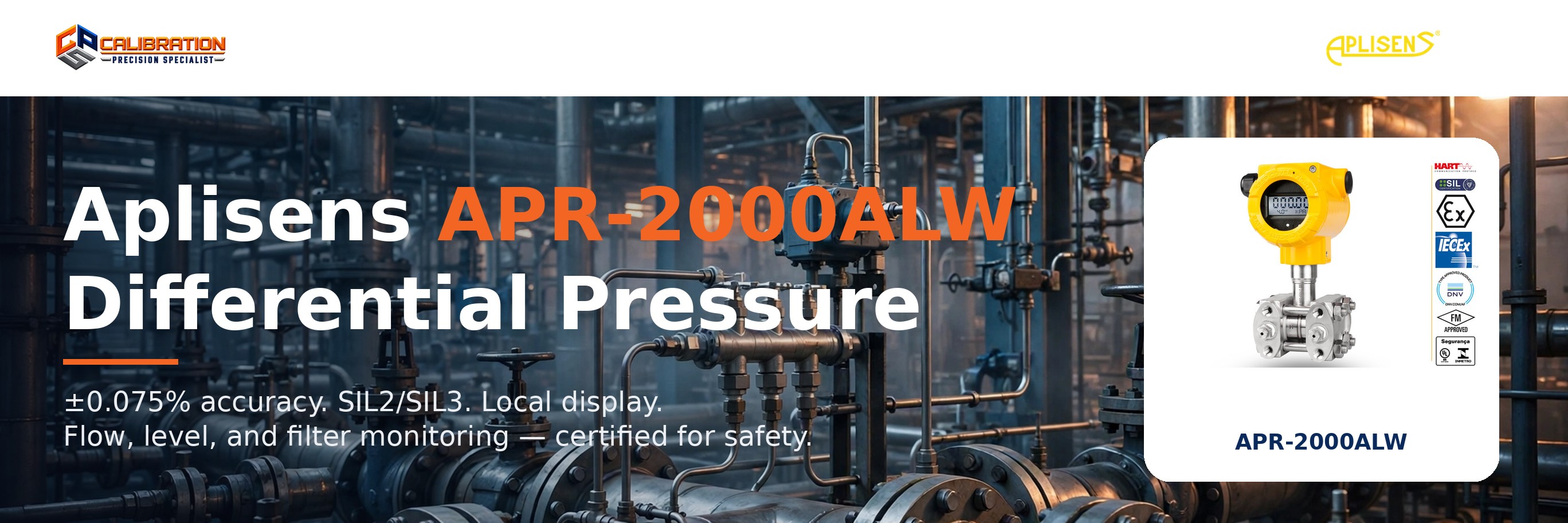
Aplisens APR-2000ALW: Smart Differential Pressure Transmitter with SIL2
±0.075% accuracy, SIL2/SIL3 safety certification, and a backlit local display — for flow, level, and filter monitoring.
Read Article →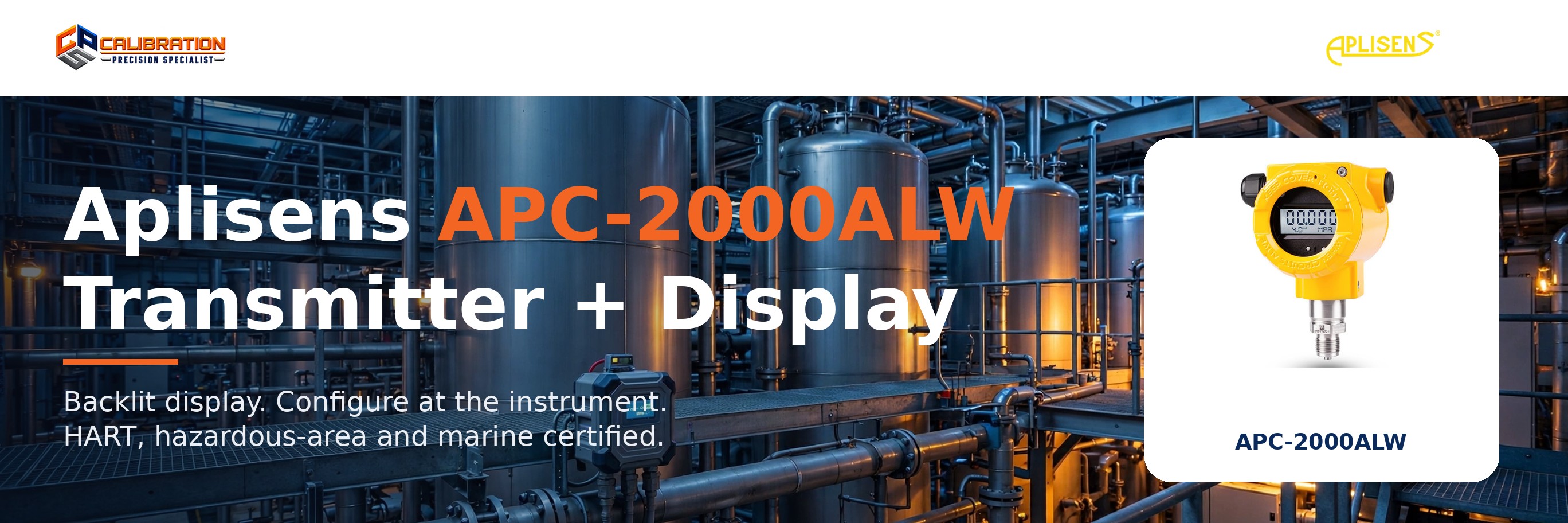
Aplisens APC-2000ALW: Smart Pressure Transmitter with Local Display
Read and configure right at the instrument — backlit display, HART, and hazardous-area certifications.
Read Article →No articles match your search.
Try a different term.